Timeline
Mar 2025 - Apr 2025 (2 months)
Role
Designer
Status
Launched
Team Members
Liam Pasinato (PM Intern)
Robert Riverso (Director of Product)
Ayaan Hagar (Product Designer)
INTRODUCTION
Driving monetization and growth at Plooto
During my internship at Plooto, I collaborated closely with the Product Manager intern to drive Product Marketing initiatives focused on monetization and user growth. My focus was on designing high-impact UI/UX solutions that directly contributed to key business metrics, ensuring a positive impact on both revenue and the user experience.
What is Plooto?
Plooto is a cloud-based payment automation platform that streamlines accounts payable and receivable, automates financial workflows, and helps businesses manage payments, approvals, and reconciliations.
Problems
Problem #1: The feature adoption gap
Plooto's product roadmap constantly introduced valuable new features (e.g., Pay by Card, an advanced payment option). However, there was an issue with feature discoverability, users who were actively engaged on the platform were frequently unaware of these new capabilities, or struggled to find and understand their context and utility within their existing workflows.
Problem #2: The post-signup monetization bottleneck
Once users chose a subscription plan during account set up, there was zero incentive for them to ever reconsider their subscription tier. Users on lower-tier plans were often bypassing valuable features without realizing they were available through an upgrade.
reframing the problems
How might we design low-friction and contextual in-app experiences so users can easily discover new features and drive conversions to higher-tier plans when engineering resources are limited?
Ideation
Discussions with engineers led to the discovery of a third-party tool
Given that engineering resources were limited, I initially set out to explore some low effort, quick to implement designs that we could run and test for improving discoverability and adoption. This included a dynamic recommendation chip on the Pro Plan card during plan selection.

Experiment 1.0 - dynamic recommendation chip
Scope: The experiment will be deployed globally to new businesses entering the platform whose profiles match our Pro plan audience. Eligible businesses will be divided into a treatment group and a control group for comparison.
The treatment group will see a recommendation chip on the Pro plan card with short dynamic copy describing why it is recommended
The control group will see no chip, the card will appear as it does normally.
Target: Root nodes, Child nodes
After presenting the concept to engineering, we received pushback. While the front-end implementation was considered low effort, the team flagged that the required tracking and data instrumentation would introduce significant additional work.
Given these constraints, they recommended exploring Pendo,a third-party tool our Marketing team already used for in-product messaging and lightweight experimentation, as an alternative way to deliver and test the experience.
Design
Balancing native UX standards with third-party tool constraints
After defining the problem and initial brainstorming, my next step was to rapidly design potential solutions for the feature nudges and upgrade campaigns in Figma.
However, when I started replicating the designs in Pendo, it introduced a new layer of complexity to the project. Its product overlay designer was far less flexible than what I was used to in Figma or code, meaning certain UI patterns simply couldn’t be replicated. We also faced strict limits on which on-page elements we could target.
These constraints required us to refine experiment ideas and adjust experiment concepts to align with what the tool could support, while still preserving clarity and consistency in the experience.

Experiment Explorations
This is a Figma page capturing an initial, high-ambition concept for our in-app nudges and experiments. The 'Sandbox' pages seen in the left panel were additional concepts that were explored but due to the technical limitations of the Pendo platform, these designs were ruled out.
Solution
Solution #1: Closing the Pay by Card Adoption Gap
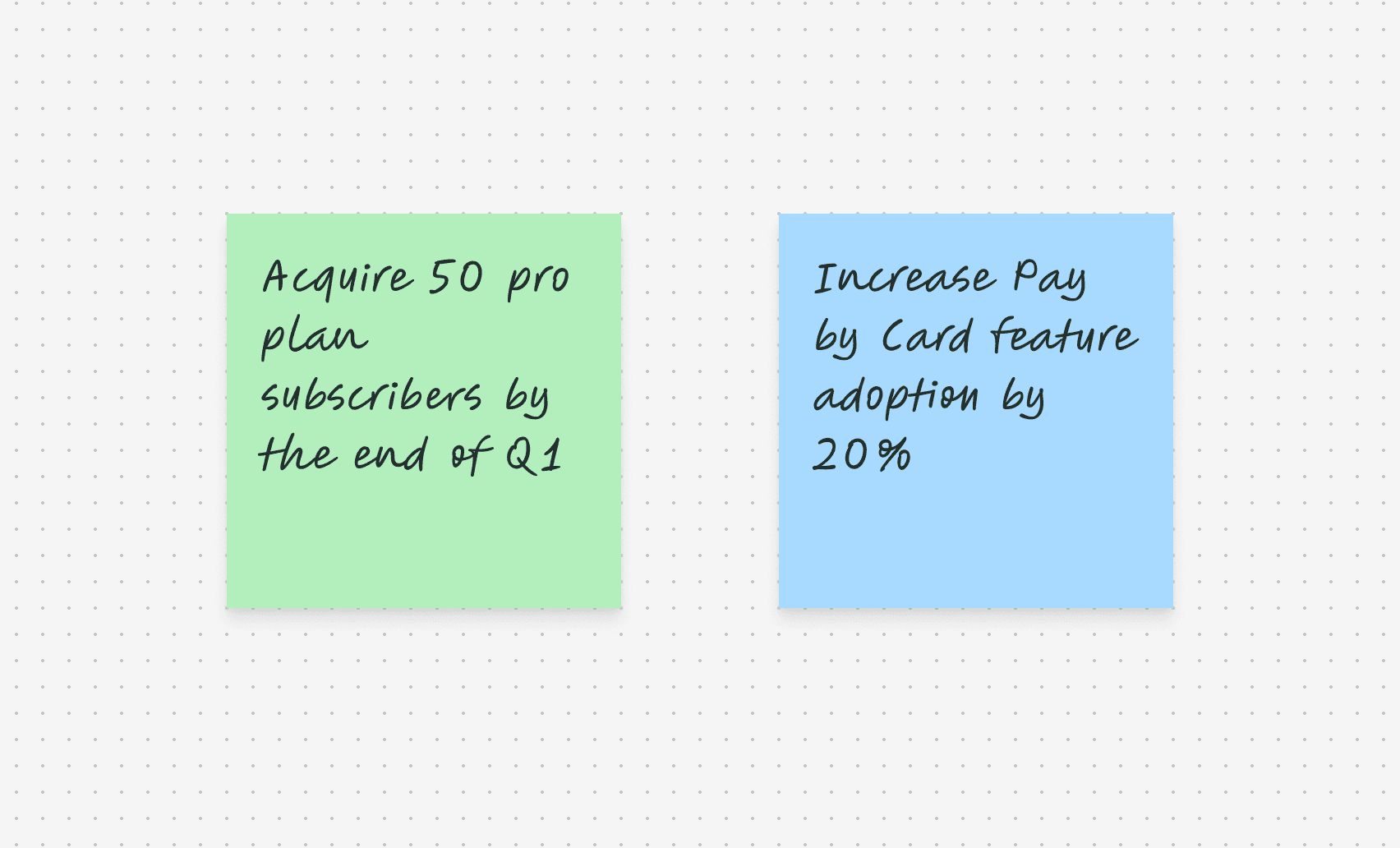
The Pay by Card feature, launched in October 2024, offers businesses a critical cash flow advantage. However, adoption was significantly lower than expected, with the biggest drop-off occurring at the very first step: adding a credit card to the platform.
Working with the Product Manager intern, our strategy was to optimize this critical first step by introducing contextual and highly visible nudges into the user's habitual workflow.
From left to right: Main dashboard informational banner, tooltip in payment creation page, and a payment confirmation modal.
Impact
Total credit cards added
106
Credit card adds that came directly from experiments
87

Solution #2: Pro plan promotion campaign
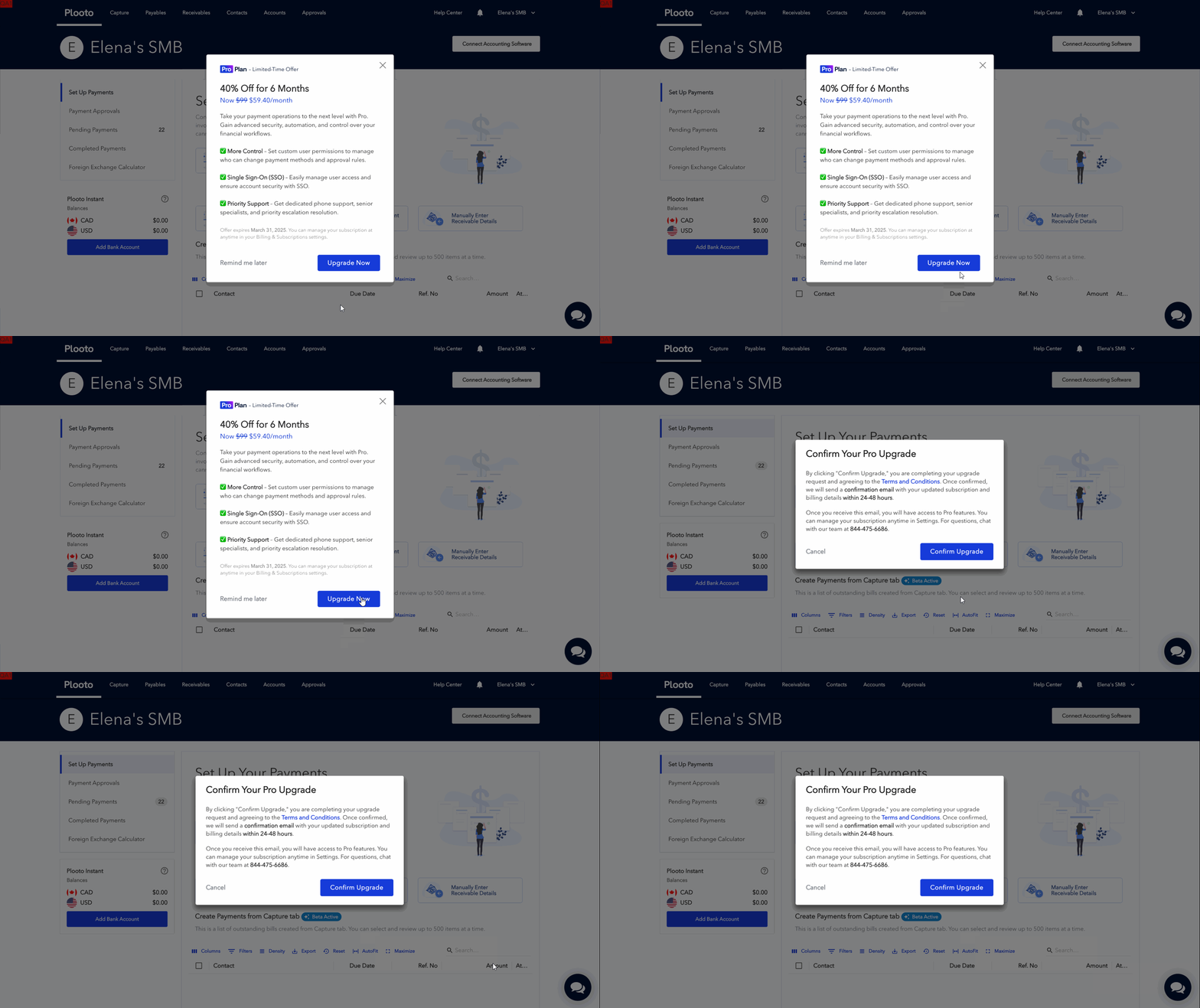
To address the post-signup monetization bottleneck and support the product team's Q1 objective of acquiring 50 Pro Plan subscribers through plan upgrades, I partnered with the PM intern to lead strategic experiments focused on driving upgrades from the Grow Plan to the Pro Plan. We owned the end-to-end process, from ideation and design of in-app experiences and emails to implementation and performance tracking.
Through customer feedback, we learned that price sensitivity and decision delays were key barriers to upgrading, which we aimed to address through our experiment.
We launched a time-limited 40% discount promotion, reducing the Pro Plan price to $59.40/month, to create urgency and lower the perceived value barrier. This price tested the lower end of the perceived value range of the Pro Plan. The promotion was supported by an email campaign consisting of three strategically timed messages: launch day, midway reminder, and last-chance, to drive awareness and engagement.
From left to right: Primary promotion modal and upgrade CTA above left navigation